How Somatic Therapy & Bodywork Come Together
A body-led approach for change beyond insight alone
Somatic work begins with the lived experience of being in a body: sensation, breath, movement, tension, pain, emotion, memory, and the nervous system patterns that shape how you respond to the world.
At Embody Alchemy, I bring together therapeutic Tui Na bodywork, somatic movement education, Taoist medicine, Dynamic Embodiment®, Andean earth-based practice, trauma-informed care, and movement-based creative process. Each session is shaped around the person in front of me.
Some clients come for precise hands-on support. Some come for movement-based inquiry. Some want help tracking patterns that keep showing up in relationships, transitions, grief, burnout, or the body itself. Others are drawn to ritual, creative practice, or a more layered integrative process.
The work changes depending on what you’re seeking, what your body is ready to meet, and what will support more choice, capacity, and connection.

Ready to choose your starting point?
Start with a discovery call so we can talk through what you’re seeking and identify the most supportive entry point.

The Body Belongs in the Work
Many people can explain their patterns clearly. They may understand where a stress response came from, why a relationship dynamic repeats, or how an old survival strategy developed.
That kind of insight matters.
Body-level change asks for another pathway.
The body may brace.
The breath may shorten.
The belly may tighten.
The nervous system may organize around threat, collapse, over-responsibility, or withdrawal.
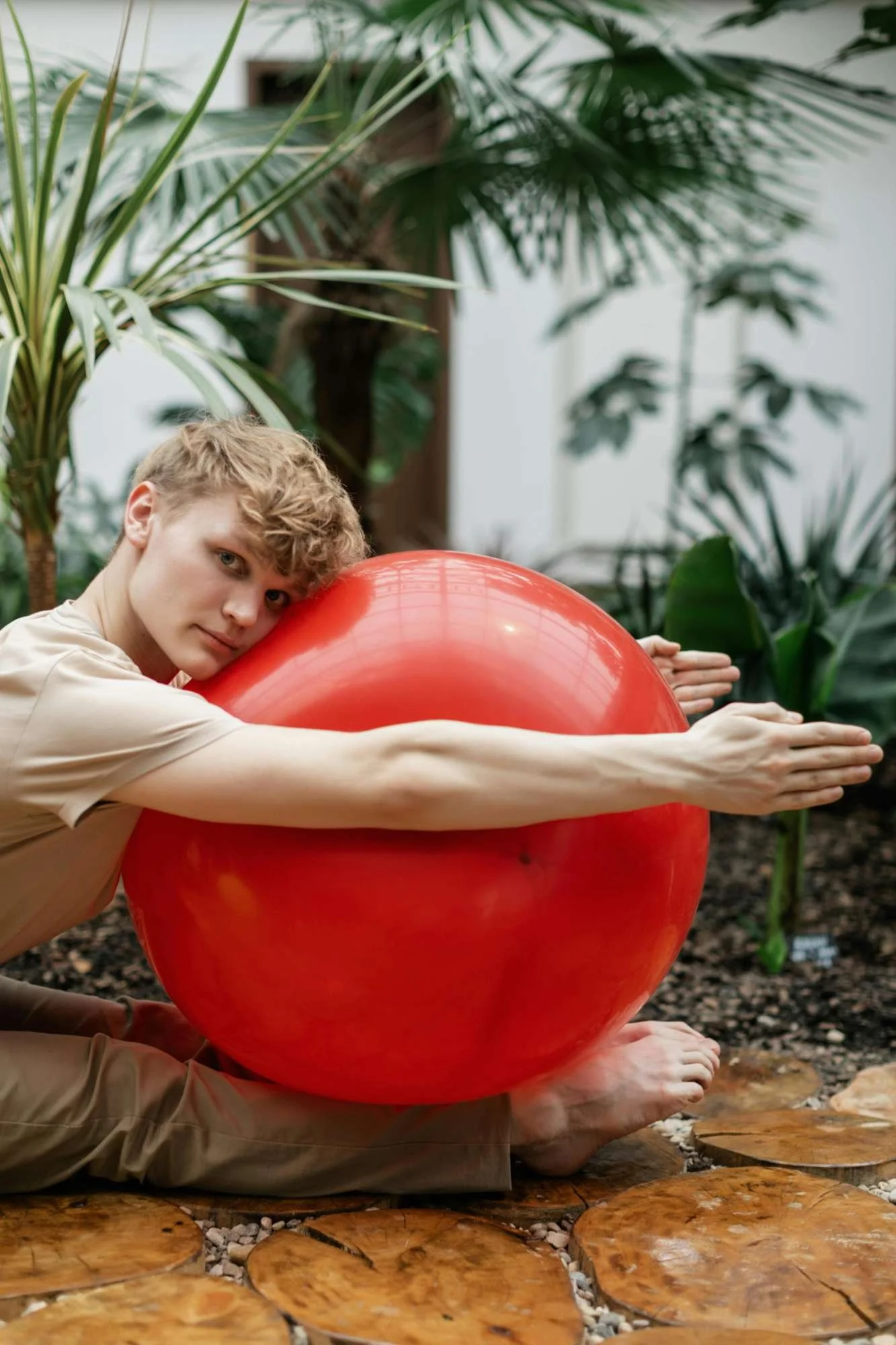
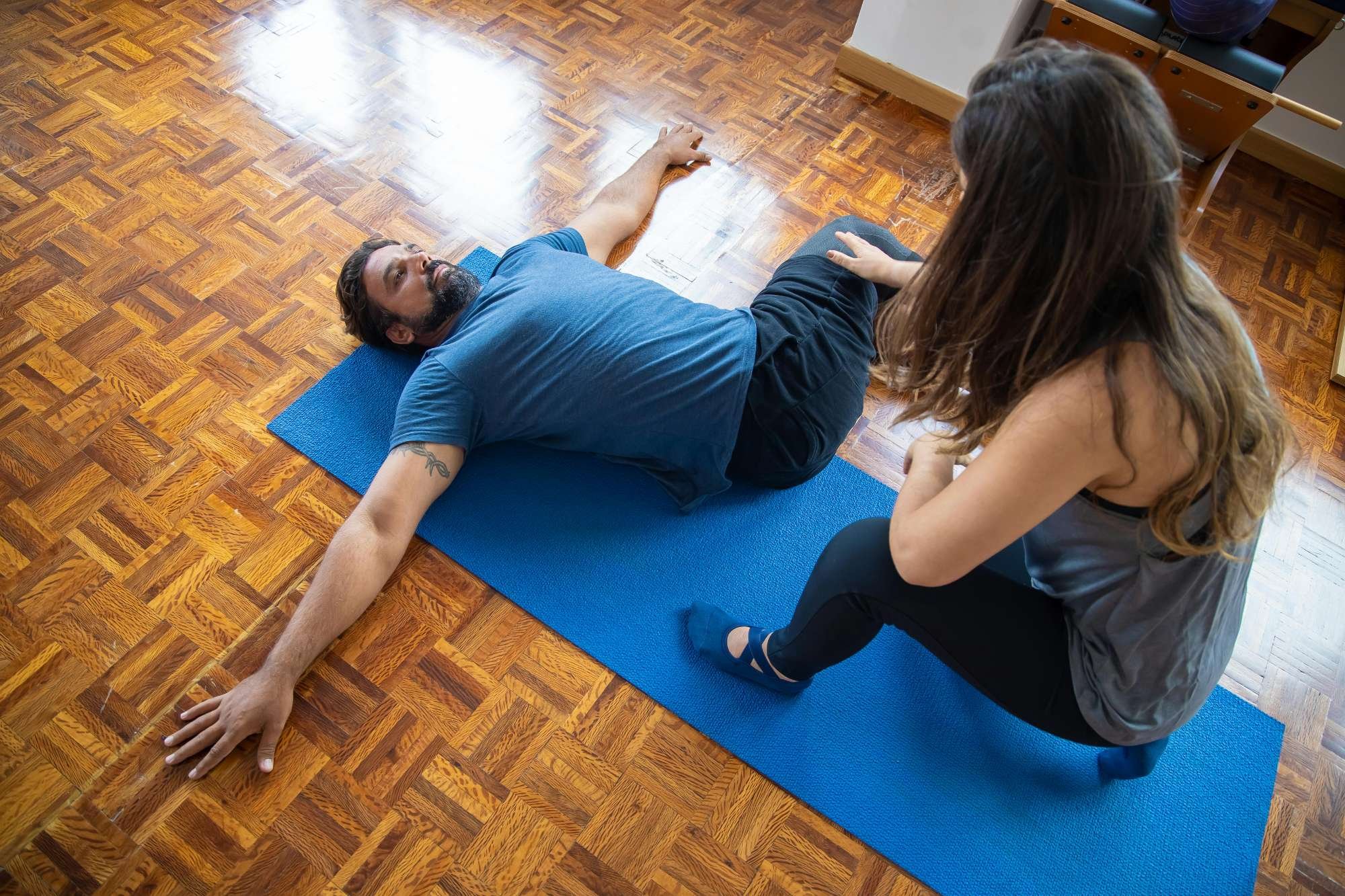
Somatic work brings attention to what’s happening now as information. Through sensation, movement, touch, breath, and relational awareness, the body can begin to notice new options and develop new responses.
My role is to create the conditions for change to become integrated, steady, and available in daily life.
The Four Lineages That Shape My Work
My practice is rooted in four primary lineages. These are the foundation beneath how I listen, track, teach, touch, and respond.
-
1. Eastern Energetic Bodywork and Taoist Medicine
This lineage includes Wind and Water–style Tui Na, Taoist internal practice, Chi Nei Tsang, and Five-Element Classical Chinese Medicine. In practice, this may look like hands-on bodywork, acupressure, rhythmic movement, stretching, organ-focused support, and attention to Qi, circulation, meridians, and elemental patterns.

-
2. Andean Earth-Based Healing and Ceremonial Awareness
This lineage informs the grounding, clearing, and bridging aspects of my work. It draws from Andean Alchemy, earth-based practice, curanderismo, ceremonial energy clearing, and the role of the Chakaruna: a bridge-person who helps connect different worlds, states, and ways of knowing
-
3. Somatic Movement Therapy and Dynamic Embodiment®
This lineage brings a contemporary, body-centered framework for working with movement, neurophysiology, developmental patterning, relational awareness, and social context. I use movement as a way to notice patterns, build capacity, and invite new responses through the body.
Dynamic Embodiment® ⟶
-
4. Movement-Based Physical Theater & Creative Embodiment
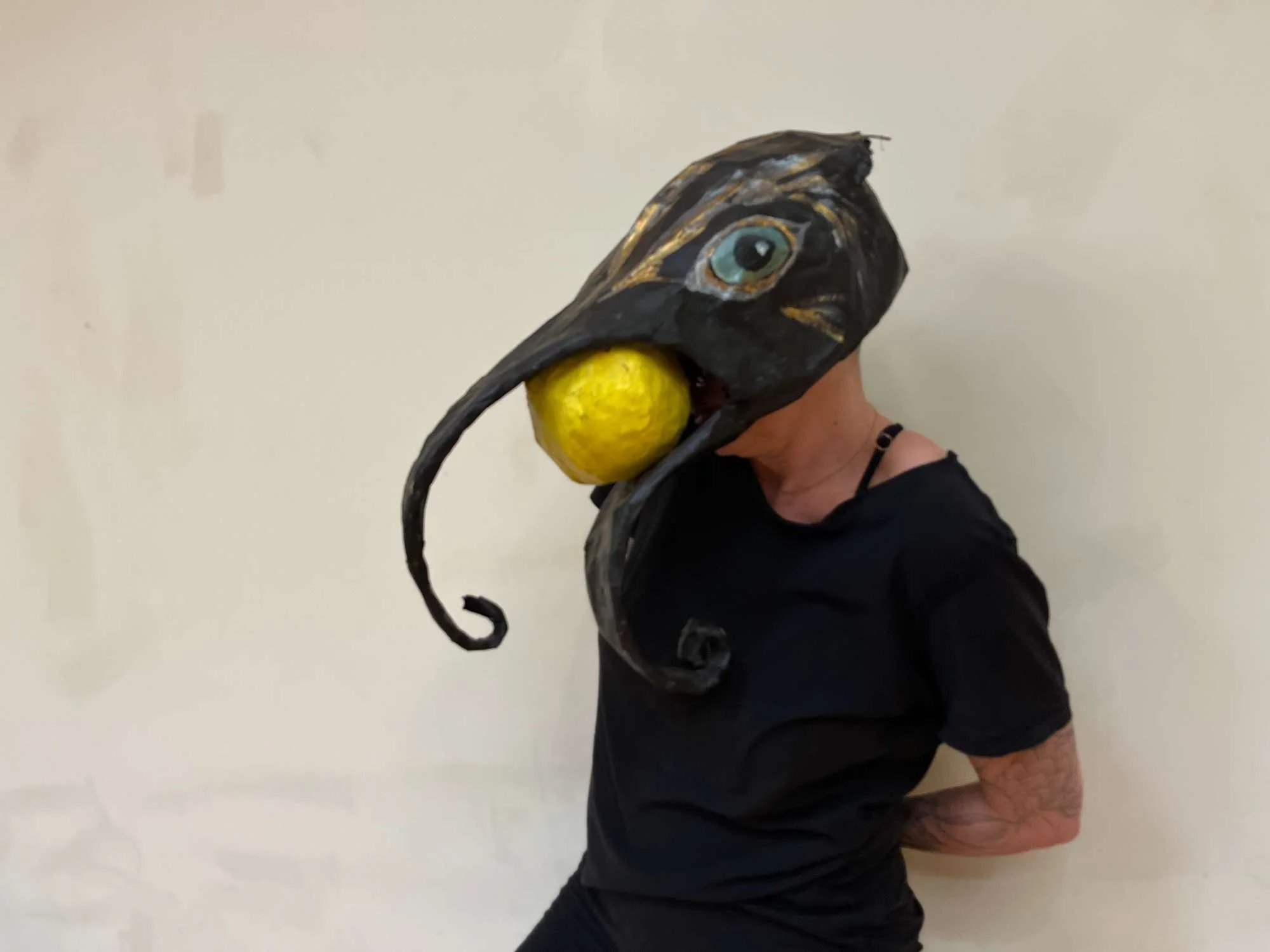
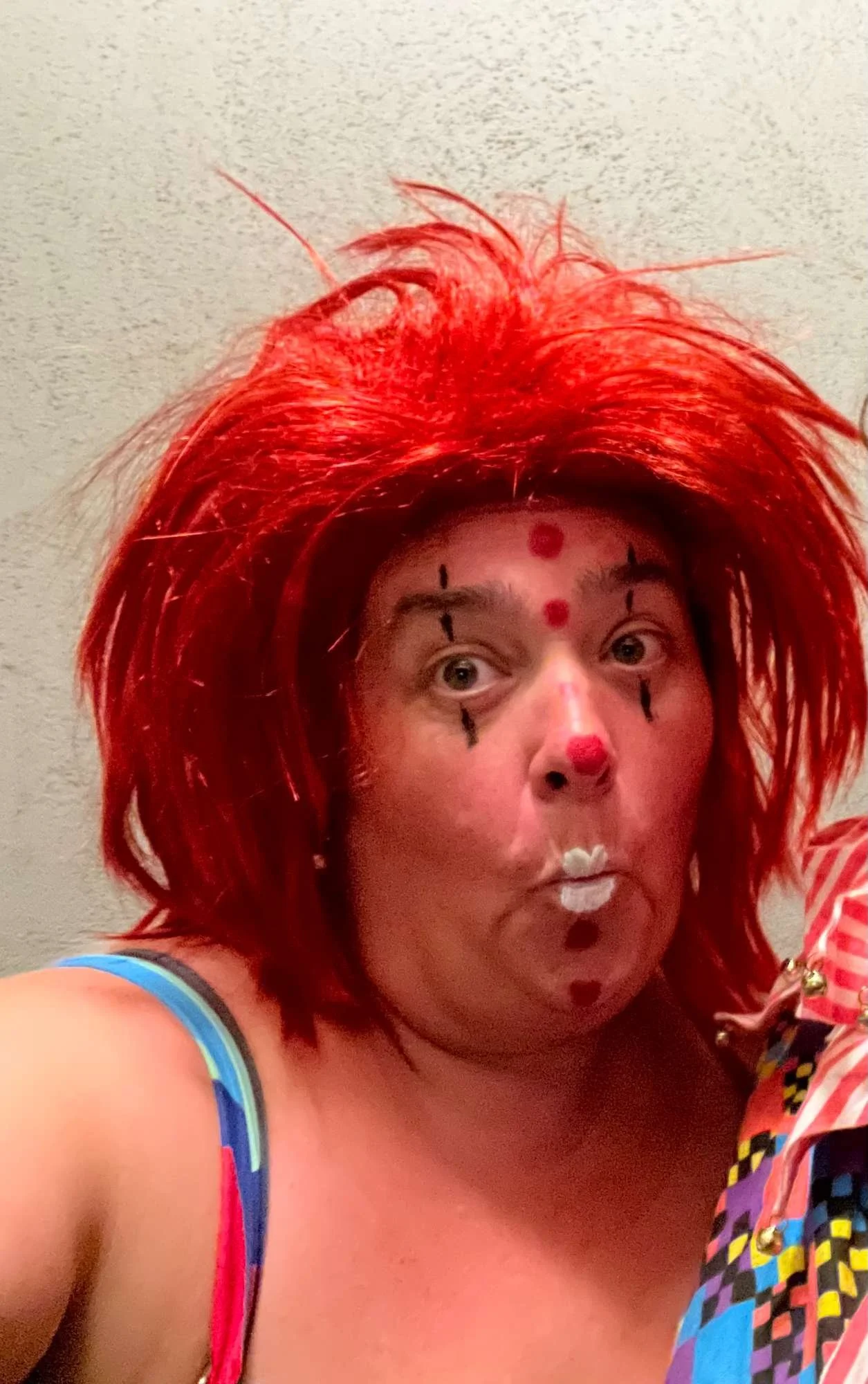
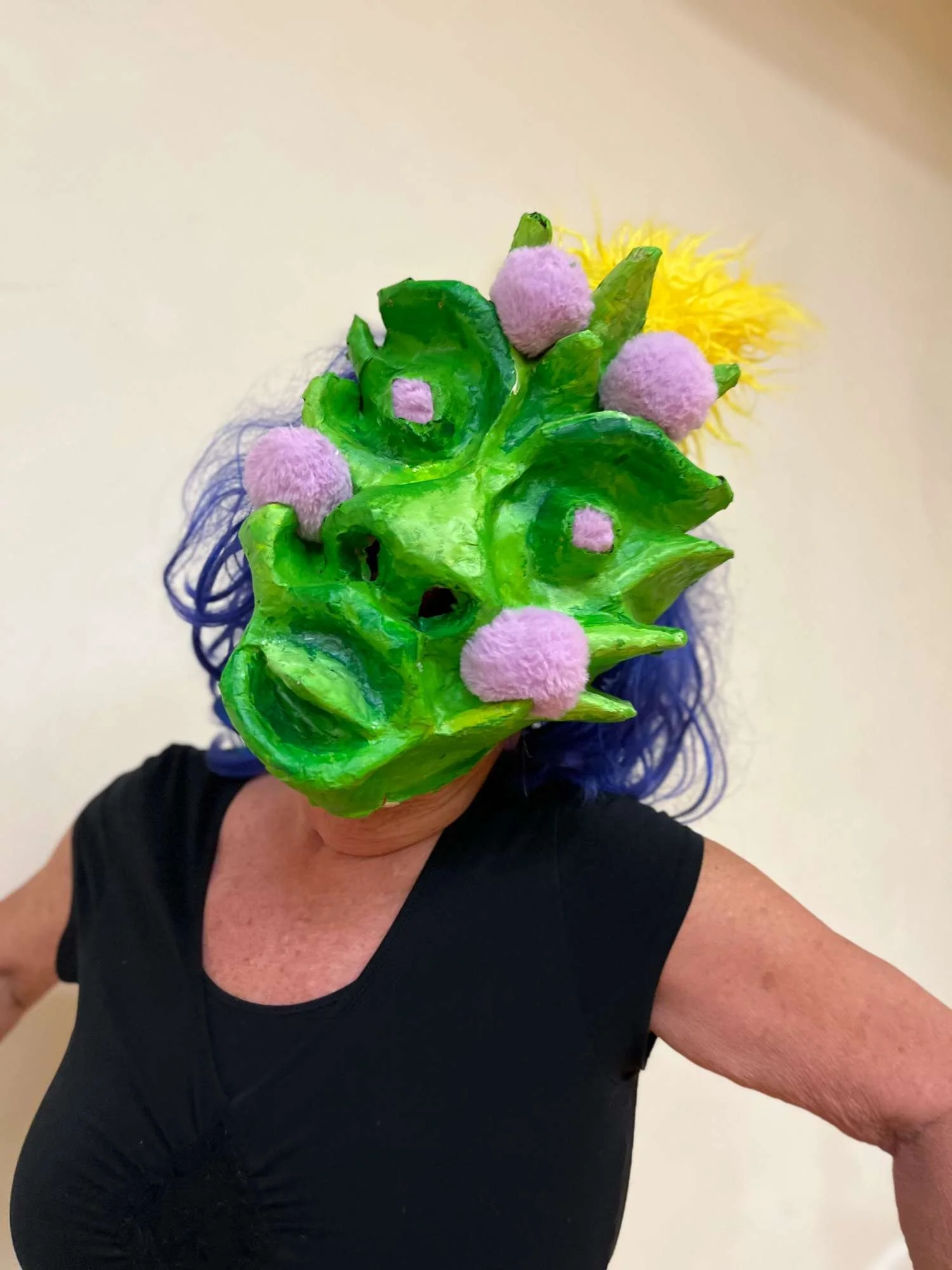
My background in physical theater, mask work, clowning, BodyTales, Authentic Movement, ritual theater, and embodied performance brings a creative layer into the practice. It makes room for expression, play, imagination, humor, gesture, archetype, image, sound, writing, and movement-based storytelling when those doorways are useful.
Learn More About My Background and Professional Training
Why Play, Mask, and Theater Belong in Somatic Work
My background in theater arts is part of how I understand transformation.
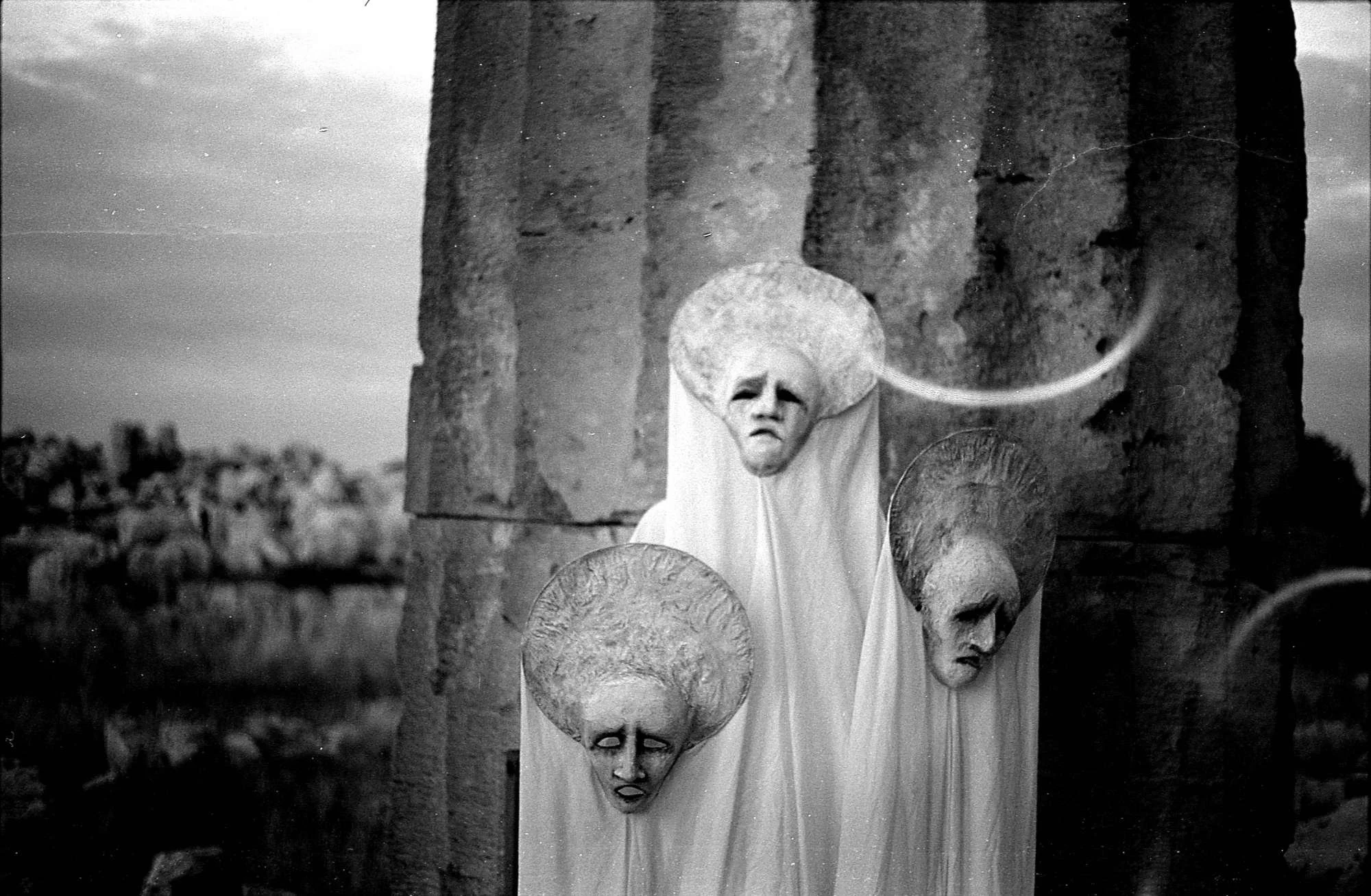
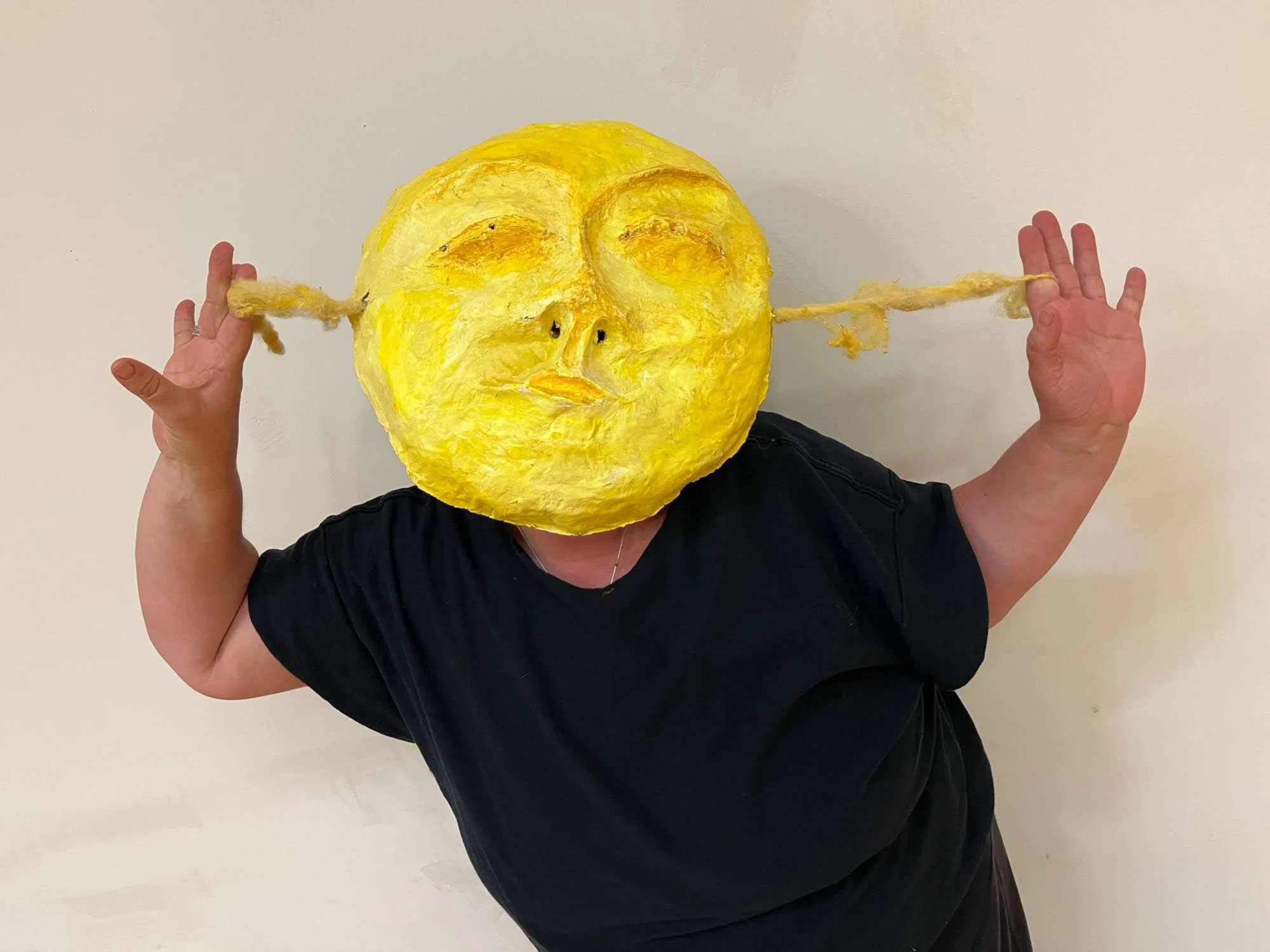
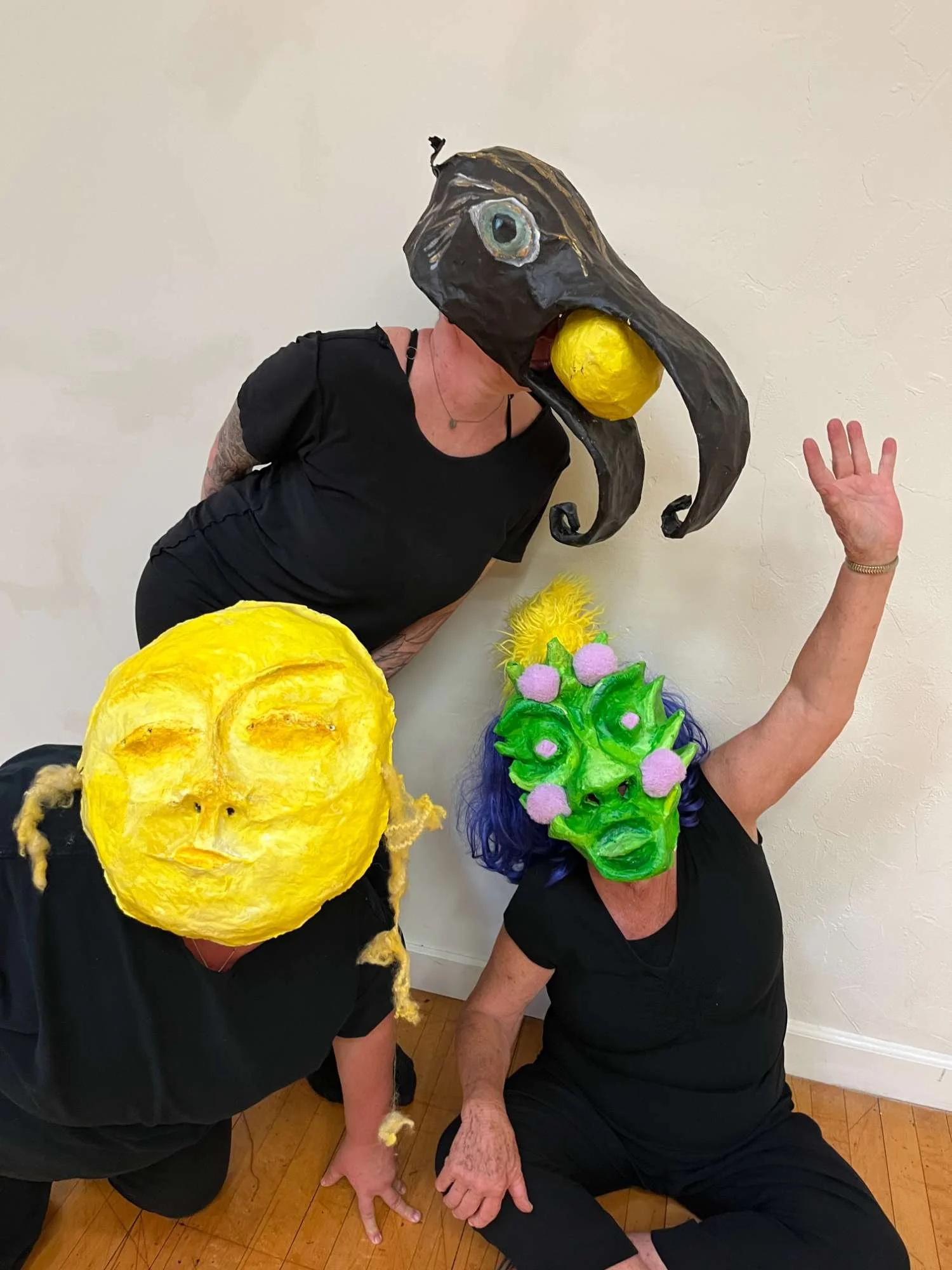
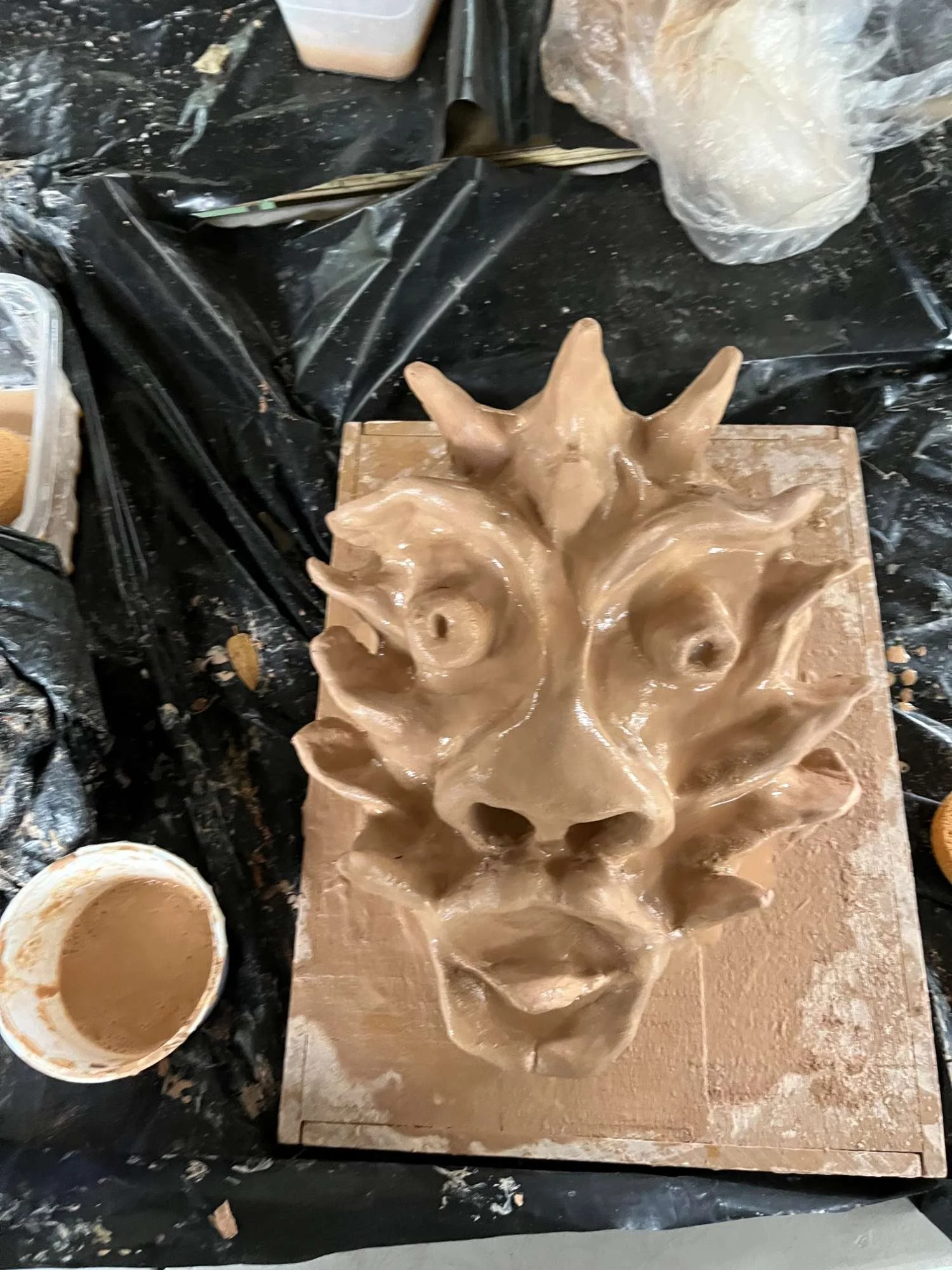
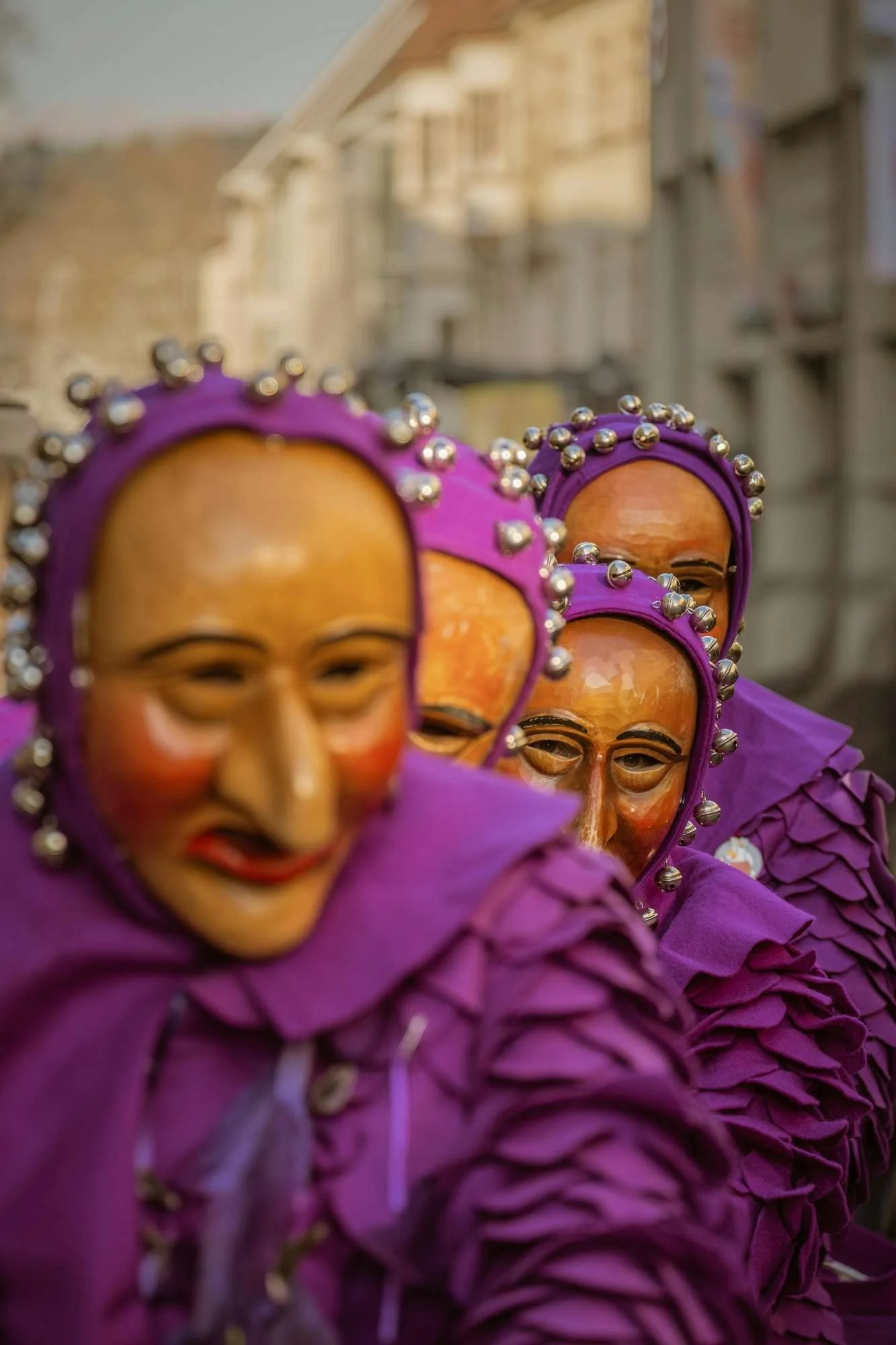
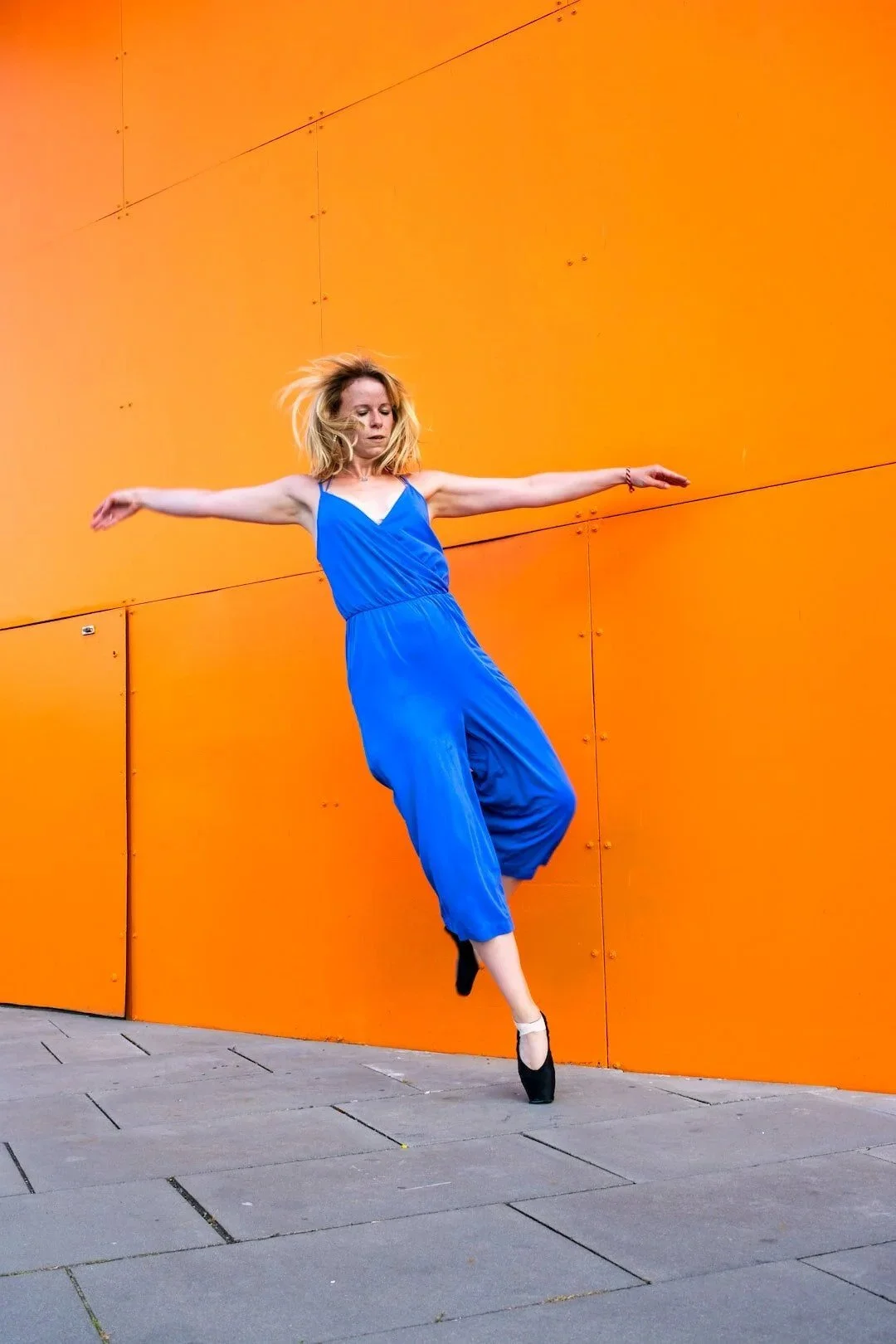
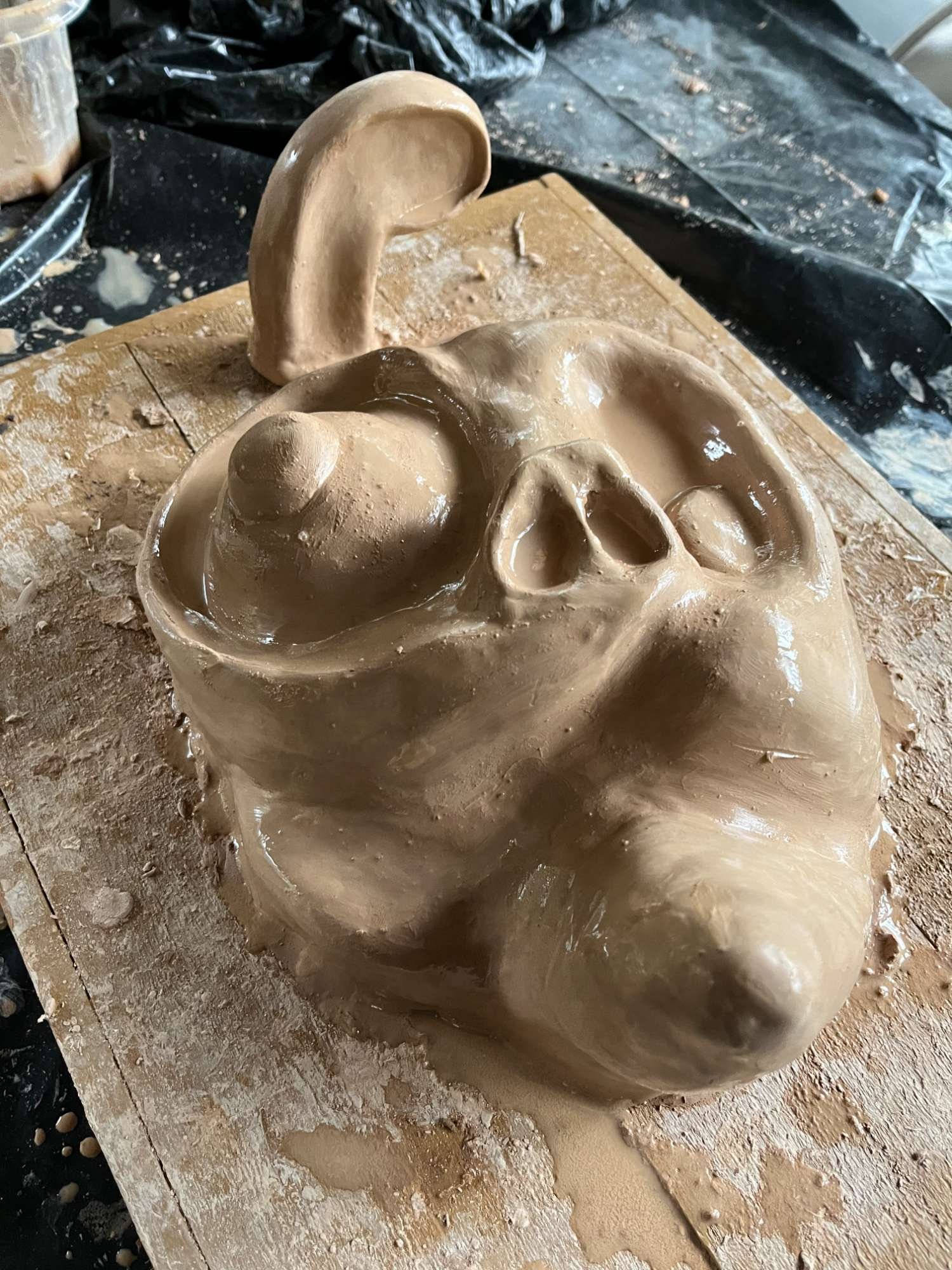
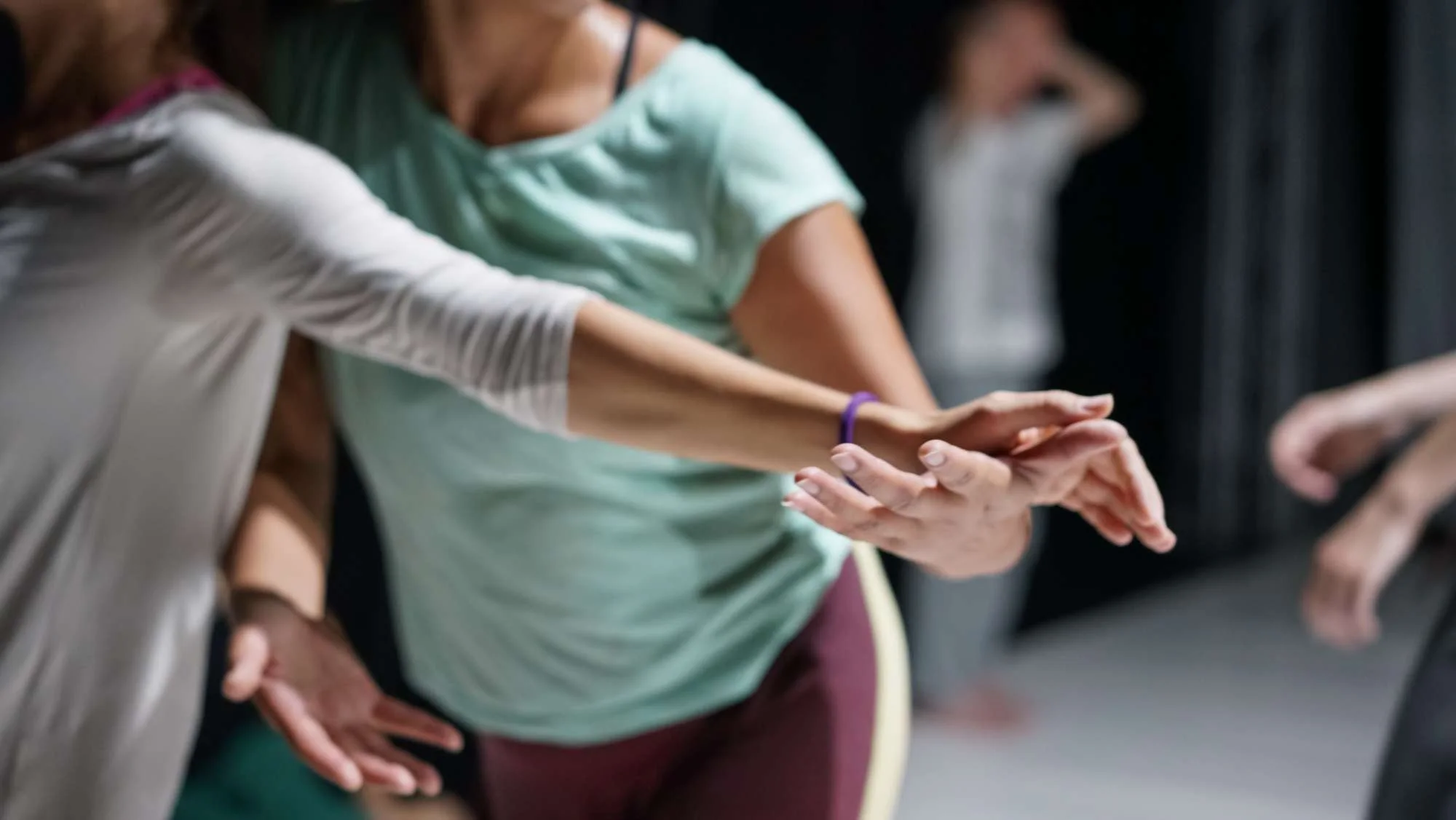
Movement-based theater, mask work, somatic clowning, BodyTales, Authentic Movement, and ritual theater invite the body to speak in ways that go beyond explanation. A gesture, posture, sound, character, image, rhythm, or repeated movement can reveal a pattern before the mind knows how to name it.
This matters because many protective patterns live beneath conscious language. The body may organize around being competent, controlled, pleasing, invisible, defended, useful, or “fine.” Creative embodiment gives those patterns a place to appear with curiosity, structure, and care.
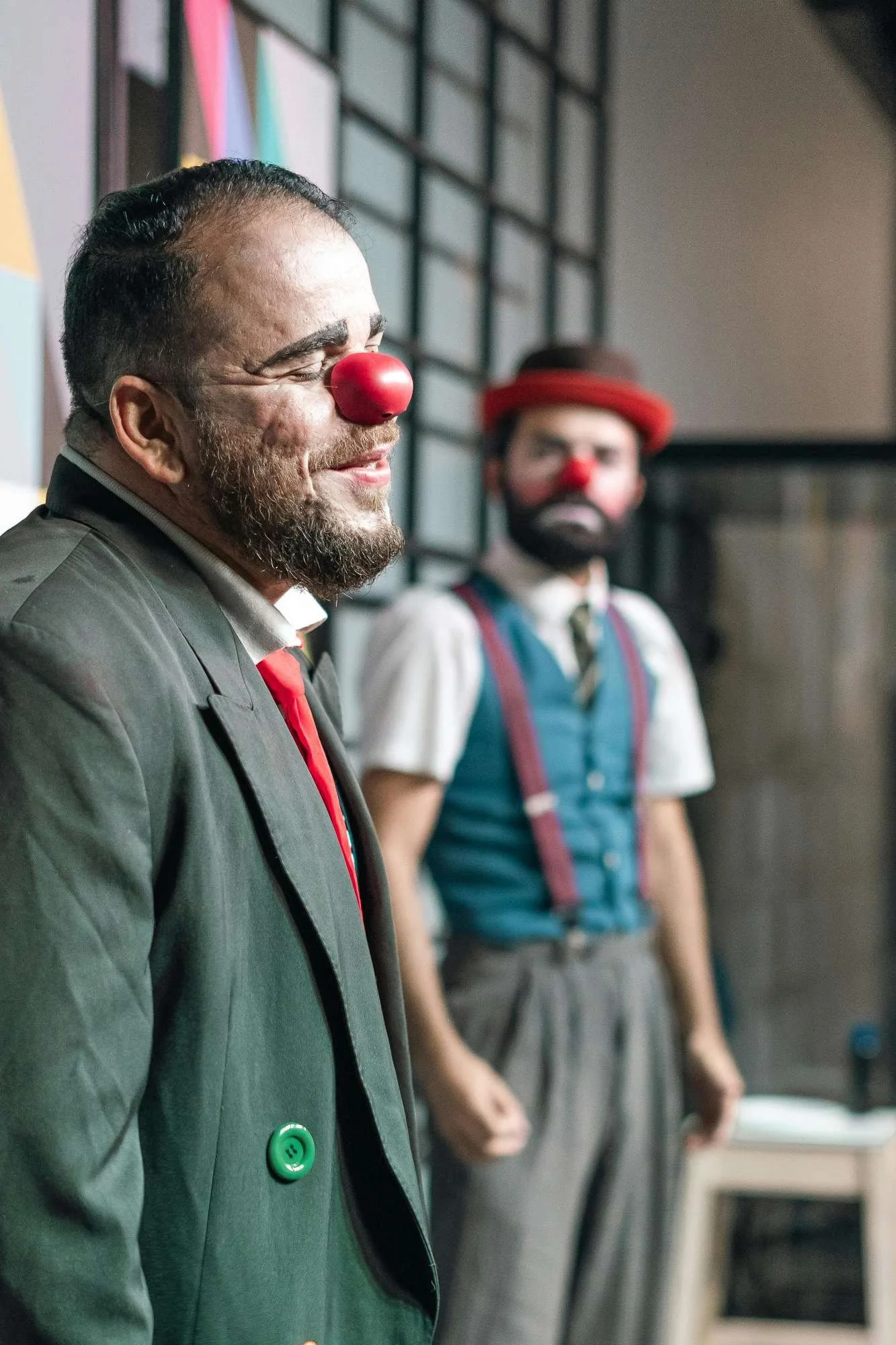
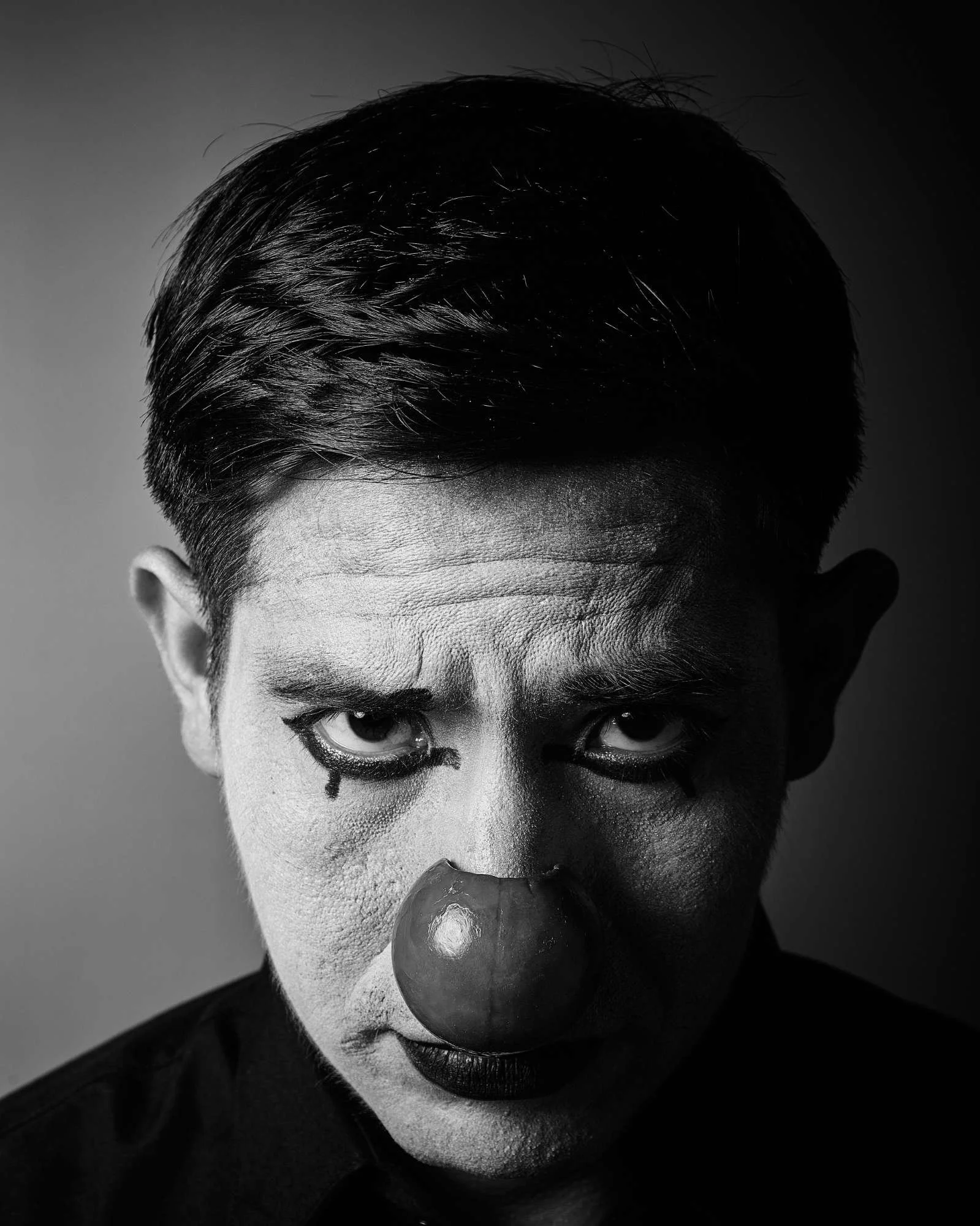
Mask and clowning can be especially useful because they work with visibility, vulnerability, humor, awkwardness, impulse, and the tension between what we show and what we hide. In this context, clowning is a disciplined practice of presence.
This creative layer is always consent-based. In one-on-one sessions, it may appear subtly through image, gesture, movement, voice, writing, or playful inquiry. In workshops and group experiences, it may become a fuller container for mask, clowning, ritual theater, embodied storytelling, or collaborative creation.
The purpose is to make room for the parts of the body and self that analysis, discipline, and words may reach only partially.

What a Session Might Look Like
Every session begins with listening.
That may include conversation about what’s happening in your life, body, relationships, or current threshold.
It may also begin more simply: noticing breath, posture, sensation, or the quality of your presence that day.
From there, the session may move in one or more directions.
-
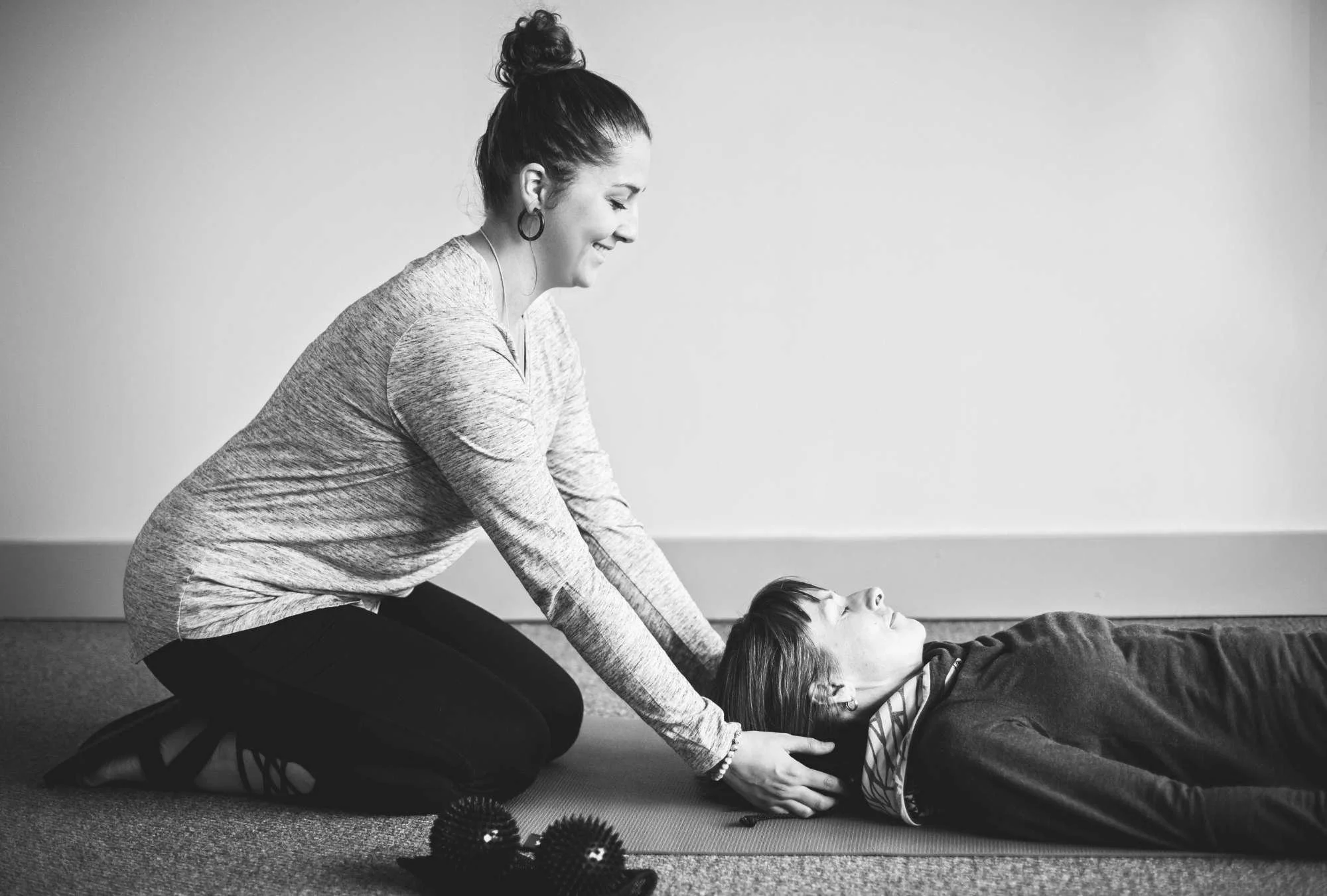
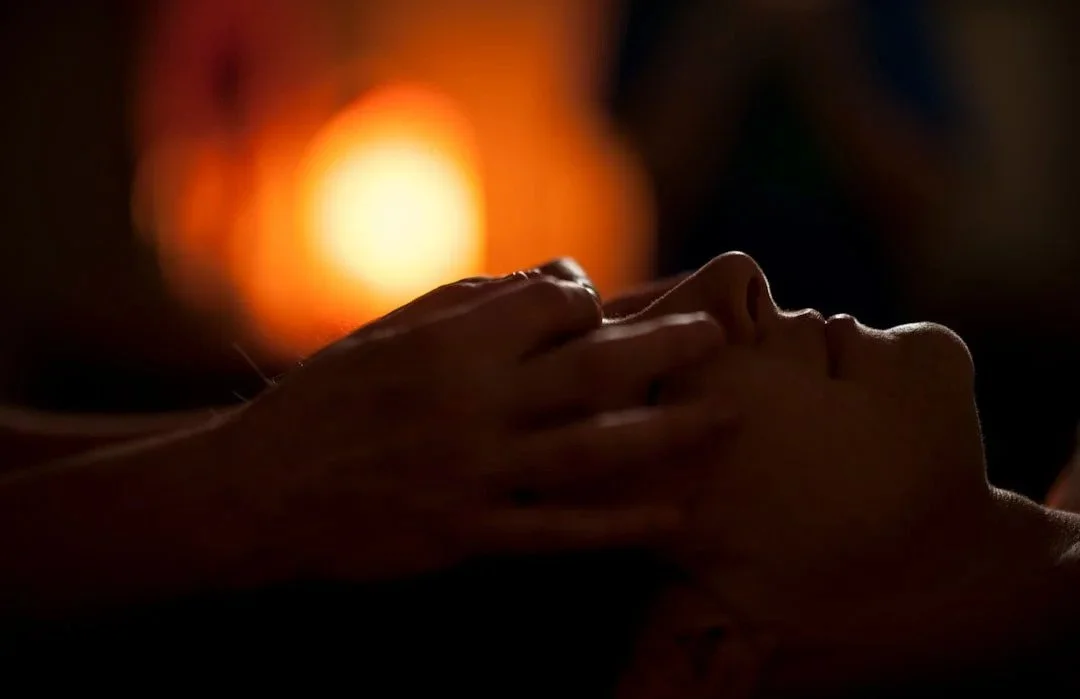
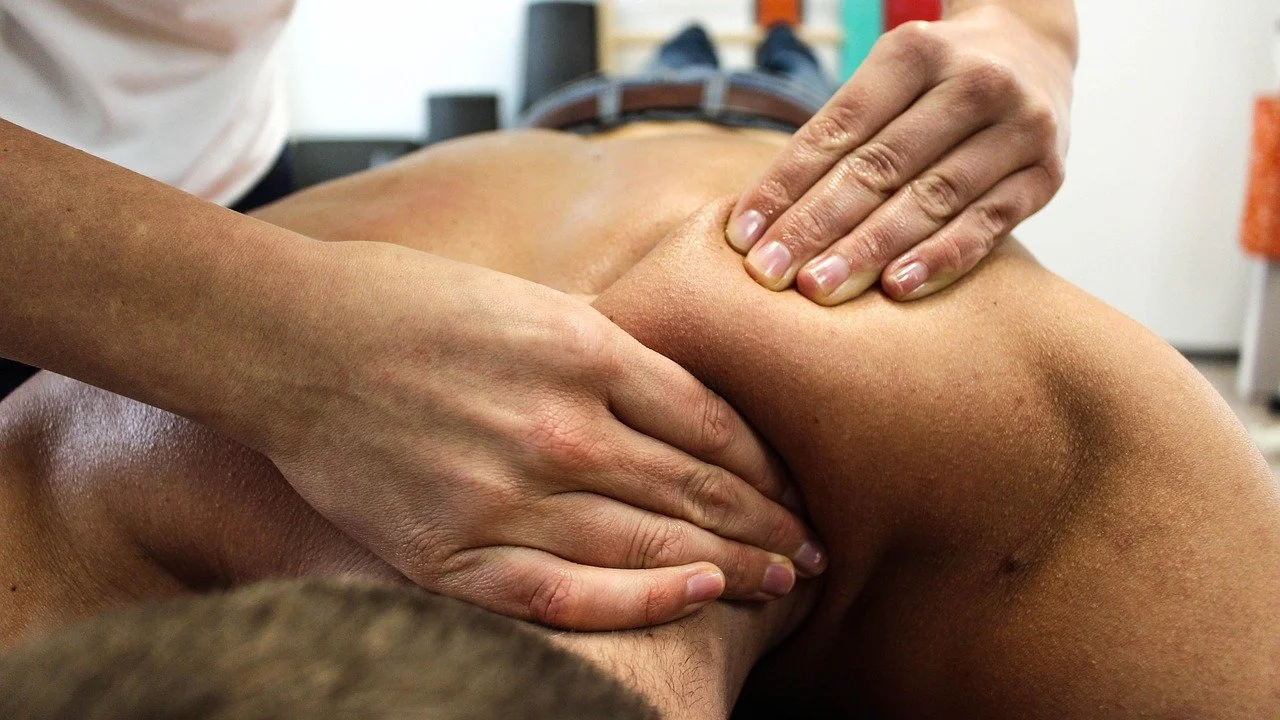
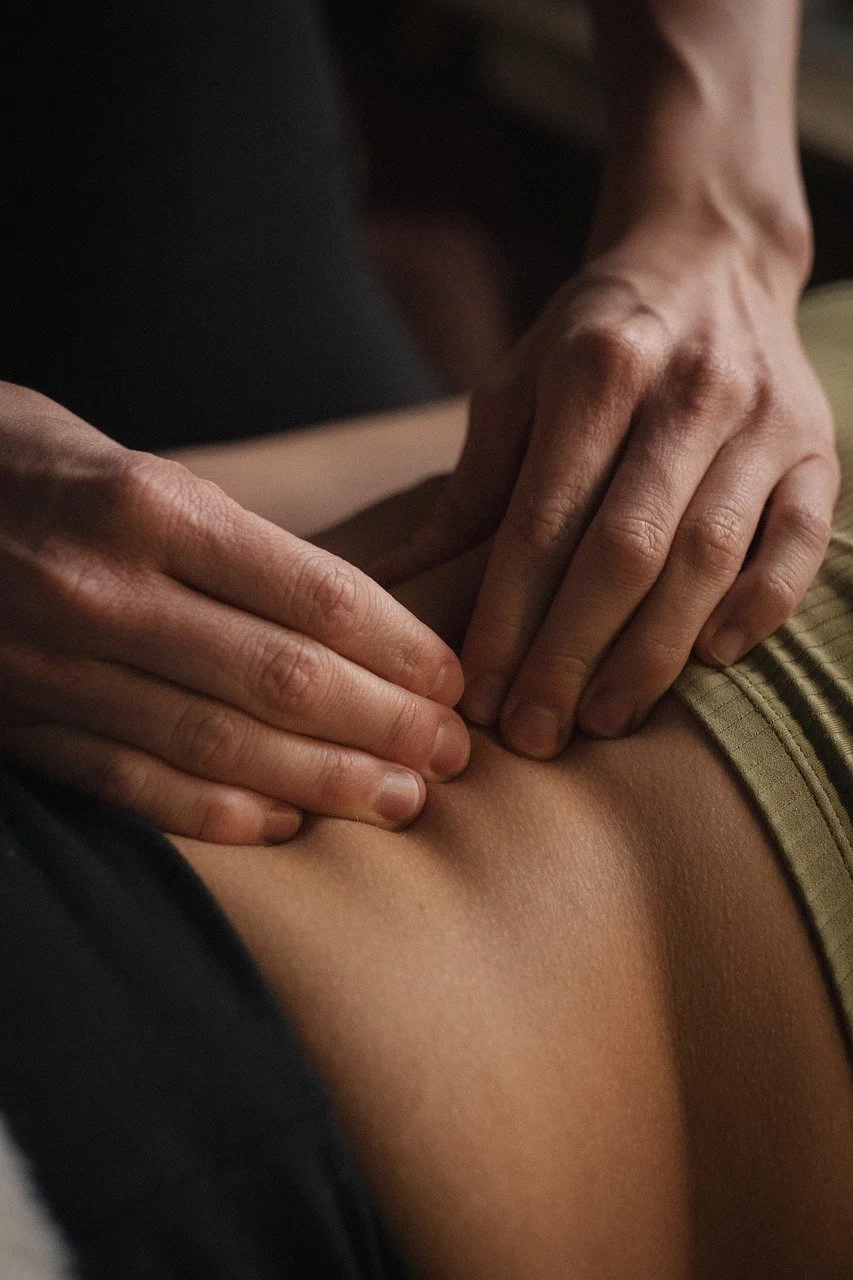
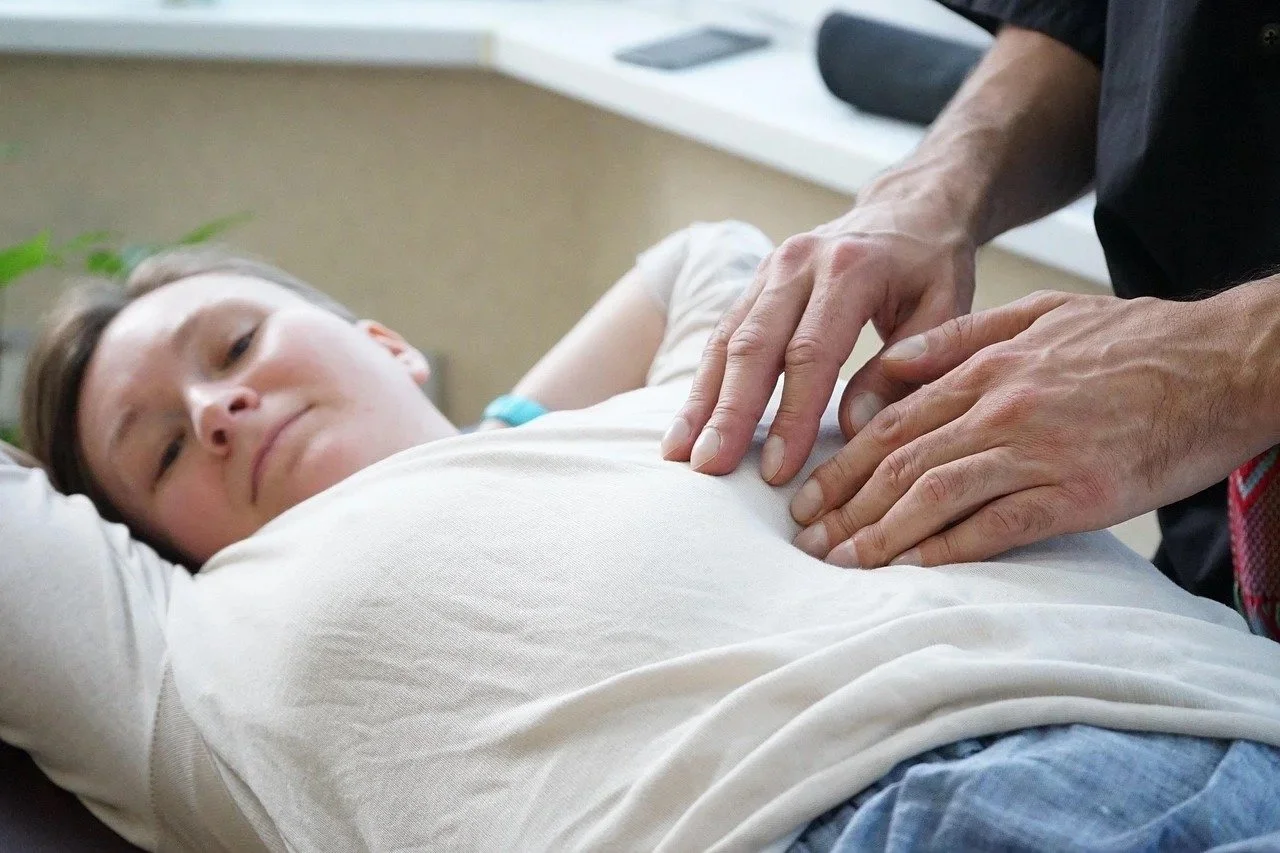
You may receive Tui Na-based therapeutic bodywork, acupressure, stretching, gentle range-of-motion work, rhythmic touch, or organ-focused support. This can be a strong choice when you want skilled hands-on care, pain relief, internal settling, or a quieter session with minimal verbal processing.
-
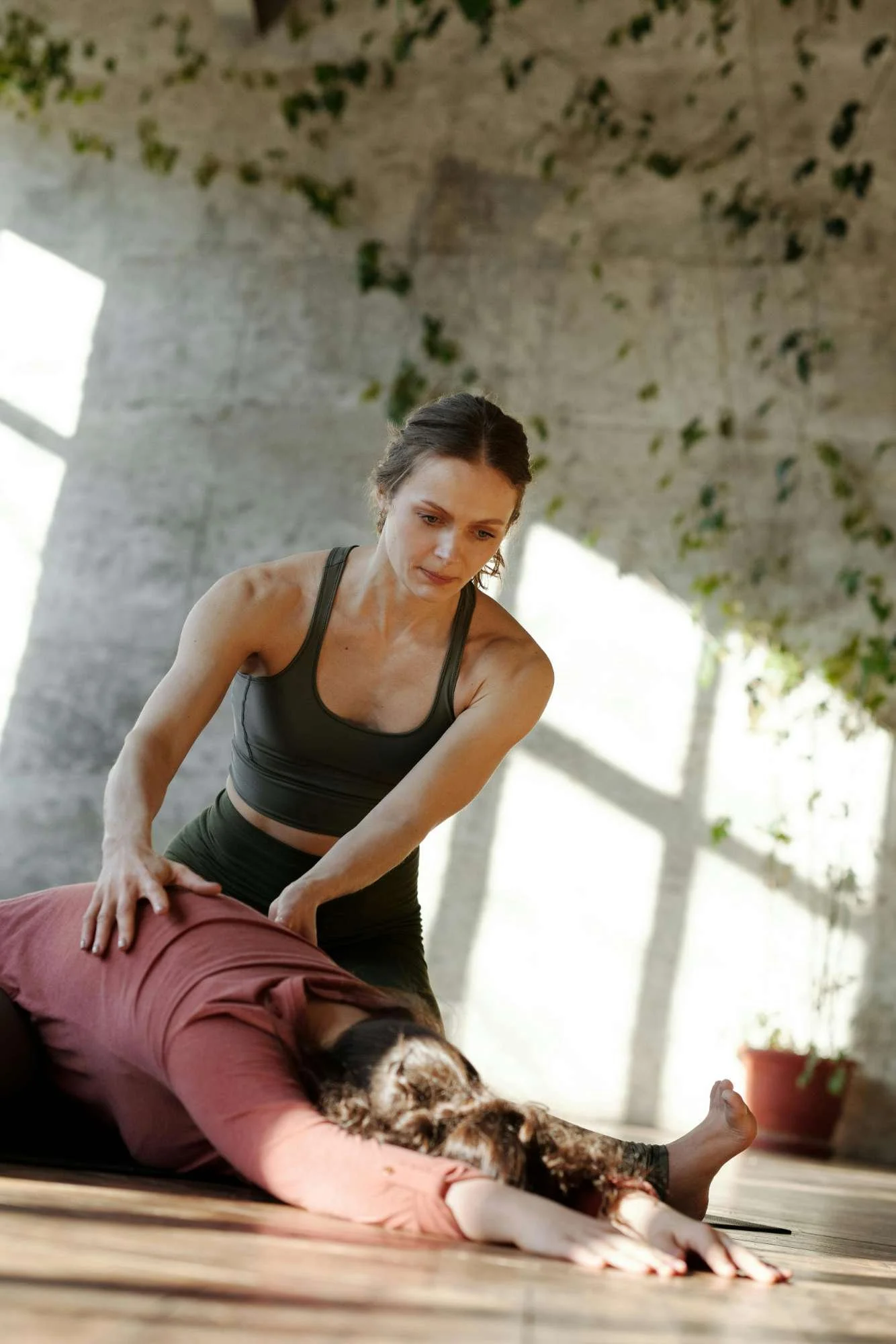
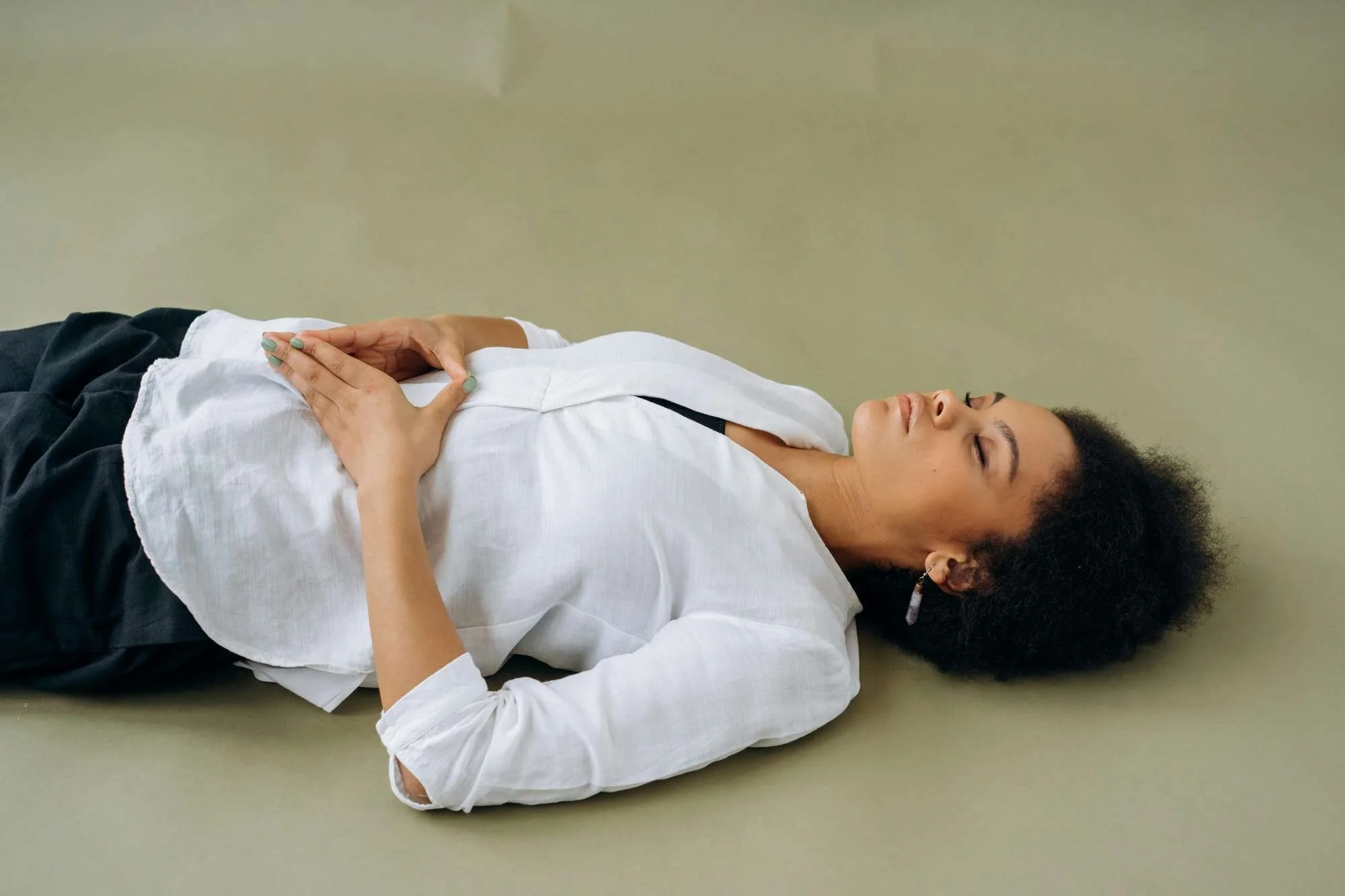
You may be guided through subtle movement, breath, developmental patterns, somatic tracking, grounding, orientation, or relational inquiry. This can support awareness of habitual patterns, emotional regulation, choice-making, boundaries, and transitions.
-
An Embody Alchemy session may combine bodywork, movement, guided awareness, earth-based clearing, ritual, creative practice, or plant-medicine integration support when appropriate and explicitly requested.
Theatrical, shamanic, creative, or plant-medicine-related elements are introduced through conversation, readiness, and consent. Each layer is chosen intentionally.
Guiding Principles
How to Choose Where to Begin
Part of my role is to help identify the most supportive entry point, so you can begin with the pathway that fits your current needs.
Ready to find the right doorway?
Explore my current booking options or start with a discovery call so we can choose the best path together.
CHOOSE TUI NA BODYWORK ⟶
if you want hands-on therapeutic support, pain relief, physical restoration, or a quieter session with less verbal processing.
CHOOSE SOMATIC MOVEMENT THERAPY ⟶
if you want support with patterns, transitions, stress responses, body awareness, or guided exploration centered on movement and embodied awareness.
CHOOSE AN EMBODY ALCHEMY SESSION ⟶
if you want a custom integrative process that may include bodywork, movement, ritual, creative practice, or deeper exploration of body, identity, expression, and transformation.
-
This work may include conversation, and the body is included directly through sensation, movement, touch, breath, and nervous system awareness.
-
Tui Na is therapeutic bodywork rooted in Chinese medicine. It may support pain relief, regulation, and internal flow, with a focus on therapeutic change rather than a spa-style experience.
-
Movement can be subtle, simple, slow, or even imagined. You can begin from the body you’re in and the capacity you have that day.
-
Yes, when appropriate, clearly discussed, and explicitly requested. These elements are optional. Many sessions stay focused entirely on bodywork or somatic movement.
Frequently Asked Questions

Begin With the Right Support
The work of Embody Alchemy is layered, and beginning can be simple.
A discovery call gives you space to ask questions, share what you’re seeking, and get a clearer sense of how this work fits your current needs.